Every distance. Every goal time. Your pace, right now.
Pick your race distance, enter your goal time, and get your splits in seconds. Whether you’re running a 5K this weekend or training for your first marathon, this chart shows you exactly what pace you need to hold — and what a smart pacing strategy looks like across every mile.
How to use your running pace chart
Select your race distance from the menu above. The reference chart loads immediately — browse every goal finish time and the pace required to hit it. Toggle between miles and kilometres using the unit selector.
Enter your goal time to get personalized splits for your race. Toggle between even and negative split strategies to see how each approach plays out across your distance. Download your chart to carry on race day.
Pacing strategy: the short version
The right pacing approach changes with distance. Here’s the McMillan position across the board:
For races like the 5K and 10K, the goal is controlled effort — near-even pacing with a strong final push. Going out hard at these distances is a smaller mistake than at longer races, but it still costs you.
For longer races like the half marathon and marathon, a slight negative split is the strategy backed by elite race data and world records. Run the second half marginally faster than the first. Not dramatically — the difference is patience early and strength late. The longer the race, the more this principle matters, because the compounding cost of going out too fast is massive.
For really short races like the 800m or mile, you can get away with a slightly positive split — running the first half faster than the second — because the anaerobic contribution is large enough that going out hard is efficient. If your goal race is shorter, you’ll see that option in the pacing strategy toggle as well.
Every distance has its own pacing logic, and every runner has their own profile. Use the chart to understand what your target pace looks like in practice — then read the distance-specific page for the full methodology.
Pace charts by distance
Marathon Pace Chart →
Goal times 1:45 to 7:00. The most technically demanding pacing challenge on the roads — energy management, glycogen preservation, and the mental discipline to hold back early. The full McMillan methodology for marathon pacing is on this page, including Greg’s explanation of why negative splits produce faster marathons.
Half Marathon Pace Chart →
Goal times 0:50 to 3:15. The half marathon is a lactate threshold race more than an endurance event — the pacing demands are different from the marathon and specific to your fitness level. The half marathon page covers how to pace around your threshold and build through the back half.
5K Pace Chart
Goal times 12:00 to 40:00. The shortest road race distance, but pacing still matters — the 5K rewards controlled effort and a strong final kilometre more than going out hard and holding on.
10K Pace Chart
Goal times 20:00 to 1:10. The aerobic system dominates at 10K, making even splits and a controlled build more effective than the aggressive starts that work at shorter distances.
Train for your goal
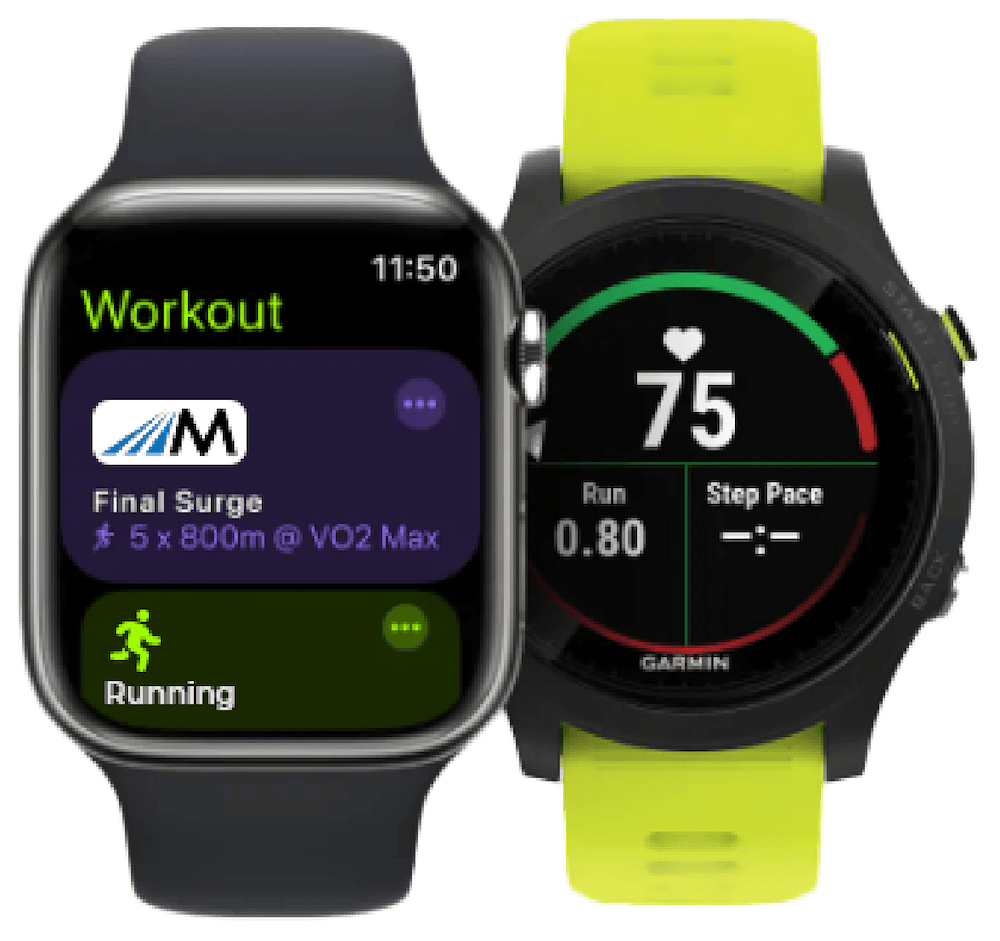
Knowing your target pace is the starting point. Getting there is a different project. My training plans are available on Final Surge and TrainingPeaks for every distance and experience level — novice through advanced, and across runner types: speedsters, combo runners, and endurance monsters.
Browse McMillan Training Plans →
Want coaching alongside your plan? Try Run Team free for 14 days →
Related tools
- McMillan Running Calculator — enter a recent race result or goal time to get your full training pace zones
- Heart Rate Zone Calculator — pair effort-based training with your pace targets
- Heat Adjustment Calculator — adjust your race pace expectations for warm weather conditions